

Who Pays and How Does It Work?
The Proposed Settlement
After explicitly threatening litigation since 1997, Texas v. New Mexico was filed in 2013. The United States added its claims against New Mexico.
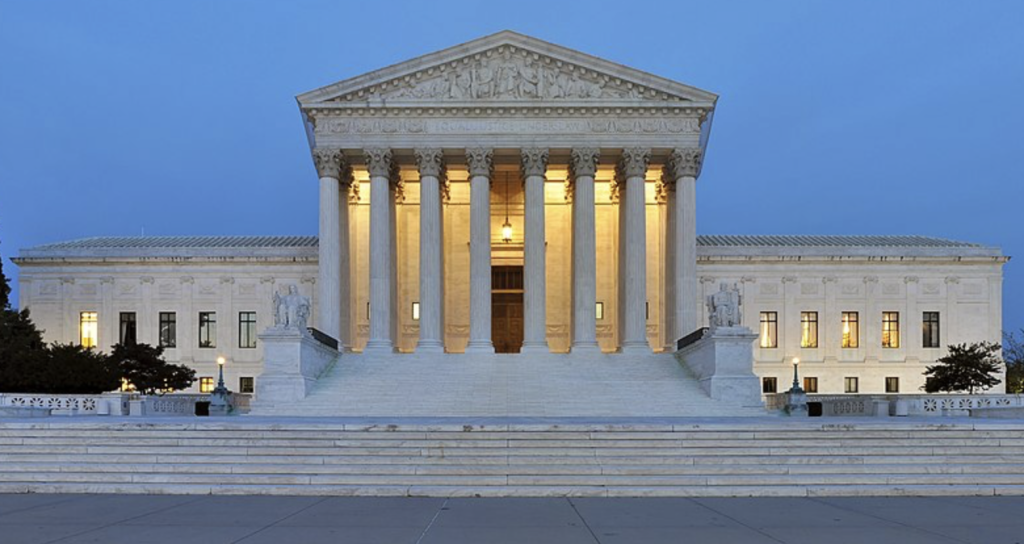
On August 29, 2025, parties and amici filed a proposed settlement with the U.S. Supreme Court’s Special Master. The settlement consists of a proposed Consent Decree and four implementing agreements that establish an explicit New Mexico downstream delivery obligation for the waters released annually from Caballo Dam. Together, these legal documents total more than 130 pages. They
- Establish institutional and financial responsibilities,
- Create the Effective El Paso Index that New Mexico’s water deliveries must meet,
- Restore New Mexico’s original 57% apportionment of Rio Grande Project water,
- Limit New Mexico groundwater pumping, including state purchase of 18,200 acre-feet of actively used groundwater rights from willing sellers,
- Require detailed water measurement and accounting procedures,
- Set limits on annual and cumulative water delivery debts and credits,
- Trigger water allocation transfers, cumulative water underdelivery penalties, or consultation under specific circumstances, and
- Leave NM’s discretion intact to continued to buy water or to regulate water uses to achieve compliance.
If approved, New Mexico must comply with numerous, difficult, and permanent requirements. New Mexico’s compliance will cause significant water user and taxpayer impacts.
Why This Analysis is Needed
The Office of the State Engineer posted the proposed settlement documents but with very limited public explanations, all of which have been before the Legislature’s interim committees. Individual requirements are addressed in multiple documents. They must be understood as an integrated whole. The agreements were negotiated as an integrated package but have not been interpreted for the interested public.
Without an official interpretation for New Mexico’s interested and affected public, understanding how the five documents work together is difficult and time-consuming. That’s the purpose of this second Water Advocates’ analysis that focuses on the proposed settlement’s compliance measures.
Understanding the Settlement
There are two parts to the Water Advocates explanation of the proposed Settlement. This article introduces our new analysis. It argues below for the State Engineer to achieve permanent compliance through State Engineer administration of diversions rather than continuing to pay NM water users to not use Texas’s water. Continuing to pay means after the ISC purchases 18,200 acre-feet of actively used groundwater rights from willing sellers.
This article also describes the situation municipal and industrial water users face. The settlement requires negotiation to find a solution to not having enough physical water for all New Mexico users. Almost all municipal and industrial water rights were adjudicated priority dates that are junior to Elephant Butte Irrigation District’s 1903 priority date for Project water and supplemental groundwater. In recent years, New Mexico’s entire annual share of the Caballo Dam release has not been sufficient to meet the 1903 rights.
Our settlement analysis is based on the premise that a good general settlement understanding can be gained answering these questions.
- How does the settlement work?
- Who pays?
The analysis summarizes each of ten compliance mechanisms we identified in studying the documents. Understanding these compliance mechanisms gives a good answer to the first question above. Seven of the ten compliance measures are mechanisms to reduce water use. Six of the seven require state funding. One of the six mandates state spending to purchase and permanently retire 18,200 acre-feet of actively used groundwater pumping rights from willing sellers. State administration by priority or the water users’ agreed alternative is the seventh.
Five settlement compliance mechanisms would require considerable continuing state funding over and above the mandatory groundwater rights purchases. The seventh measure allows the state to limit diversions in the Lower Rio Grande through regulatory action. Using water that belongs to downstream users is illegal and can be cut off through the State Engineer’s existing but unused regulatory authority.
Please consider that the costs of regulatory action to enforce against illegal water uses should be routine across New Mexico. In reality, State Engineer enforcement against illegal water use is rare.
The New Mexico Water Advocates urge New Mexico’s top water decision-makers to make the State’s water administration in accordance with law routine. We urge the Governor and Legislature to invest now in creating OSE/ISC capacity to administer and make clear the state must stop spending tens of millions routinely for short-term fallowing of irrigated lands. It’s pertinent that the ISC on December 11, 2025, approved contracts to pay $17.5 million to 163 EBID farmers to fallow about 8,300 acres for one, two, or three years.
That amount of money would go a long way if the 2026 Legislature appropriated an equivalent amount to increase the water agencies’ enforcement capacity.
Why This Matters Now
The Effective El Paso Index becomes effective on the day the U.S. Supreme Court issues the decree. New Mexico has five years to purchase and retire 9,100 acre-feet of active groundwater rights, and ten years to retire the full 18.200 acre-feet. Interim compliance with that Index and full implementation of everything the Settlement imposes on New Mexico will cost hundreds of millions. The OSE/ISC are requesting $50 million from the 2026 Legislature to get started. Additionally, the State Engineer must implement Active Water Resources Management (AWRM) regulation of diversions so that New Mexico can stop forever paying farmers to not use water that is not theirs to use.
Regardless, the settlement will have a major impact on New Mexico’s Lower Rio Grande water use and water users. Legislators, local officials, water managers, and the public all have an interest in understanding New Mexico’s many compliance obligations including the settlement’s processes, required milestones, deadline, and penalties, in addition to the state funding requirements and options.
This settlement must serve as a warning to New Mexico’s water-resource agencies, the Governor, and the Legislature’s finance committees and leadership. New Mexico’s water resources agencies don’t think or act like regulators. The settlement will teach New Mexico a painful lesson of water resources governance neglect.
Continued failure by the Office of the State Engineer to implement Active Water Resources Management as authorized by the 2003 Legislature will cause a massive taxpayer burden. Instead, the State Engineer must apply the General Rules for AWRM unanimously upheld by the NM Supreme Court in 2012. AWRM is essential to avoid draining the public purse into both the Lower and Middle Rio Grande.
Continued failure to stop ongoing depletion of the Lower Rio Grande’s Rio Grande Compact entitlement by unregulated Middle Rio Grande water uses will bring the next new SCOTUS litigation in two or three years. It’s time to stop the never-ending-saga of successive chapters of Texas v. New Mexico. State leaders collectively can stop that saga, but that requires the State to get its water management house in order and take actions, muy rápido.

What About Municipal and Industrial Water Users?
One major impact of the settlement is its ultimate effect on junior water uses. The state adjudication court awarded 1903 priority dates to EBID’s share of Caballo Dam releases and for EBID farmers’ supplemental groundwater pumping required for a full annual water supply of 3.024 acre-feet. According to the State Engineer’s chief lawyer, almost all municipal and industrial water rights are junior to EBID water rights. The hydrologic record shows the total available annual surface water has been insufficient in many years this century to meet the 1903 water rights. We believe that administration involving cutting off junior uses and cutting into senior uses will be required to meet the new Effective El Paso Index.
That leaves the junior uses in the coming collision between equitable requirements for water and the hydrologic reality of insufficient water. Statutory law does not recognize these equitable requirements for water, but we believe courts will not cut off junior hospitals and schools or people from their drinking water.
The OSE and ISC are not talking about this publicly, although the topic is addressed in the Operations Settlement Agreement, Section II.B.
“Other Adjudication and Administration Issues. The United States, New Mexico, and EBID agree to negotiate in good faith among themselves and the Other Amici in New Mexico (“Other New Mexico Amici”) to seek to resolve, by no later than October 1, 2026: (1) the potential objections of the Other New Mexico Amici to the [EBID water right priorities in the] proposed amended subfile order in SSI 101; (2) other appealable issues raised by the United States’ and New Mexico’s notices of appeals in SSI 104; (3) a separate appeal filed by the City of Las Cruces in SSI 104; and (4) final decrees of subfile orders on the water rights of EBID, the City of Las Cruces, and New Mexico State University. In addition, by no later than October 1, 2026, the United States, New Mexico, and EBID agree to negotiate in good faith among themselves and with the Other New Mexico Amici on issues associated with the manner in which the New Mexico State Engineer will administer water rights determined in the LRG Adjudication, including a potential alternative administration plan that might replace strict priority administration. Nothing herein precludes the participation in the negotiations of an affected party or amicus in the adjudication.“
What About Upstream in the Middle Rio Grande?
OSE and ISC are avoiding naming this problem, also. The plain truth is that New Mexico will by its neglect cause a new violation of the Rio Grande Compact within 2 or 3 years, due to routine Middle Rio Grande use of water the Compact apportions for use below Elephant Butte Dam. This overuse is due in part to the unregulated diversions of water by the siloed water institutions named above, excessive groundwater pumping that takes water from the river, and the poor condition of the Rio Grande channel to move water downstream. If New Mexico does not stop this pending new compact violation, it will create a huge new taxpayer burden. In the end, New Mexico will be left with the same choice it faces today: to comply or to be held accountable by Texas and the U.S. Supreme Court. Assuming the proposed Lower Rio Grande Consent Decree is an example, noncompliance will be met with large penalties, paid back in real, wet water.
The Public Welfare of the State
Taxpayers and downstream users will suffer from the structural mistake of legally enabling water-management silos in New Mexico, such as the Elephant Butte Irrigation District, the Middle Rio Grande Conservancy District, and the Albuquerque Bernalillo County Water Utility Authority without constraining them to act in a manner that is consistent with “the public welfare of the state.” These entities pursue their own interests while disregarding the impacts of their actions on Rio Grande Compact compliance. The plain truth is New Mexico allows actions by these siloed agencies that are “detrimental to the public welfare of the state.”
We have not acted to prevent this mess. Now we have to deal with it. It will be difficult.
Editor’s Note
We strive to provide accurate and thorough information in this analysis. We encourage you to let us know if you identify any errors or omissions. Your feedback is valuable and will help us maintain the accuracy and usefulness of this resource. Thank you for your assistance in ensuring the quality of this public reference.