Articles
Dive deeper into the complex world of New Mexico water issues with our curated collection of articles.
Explore a wide range of topics, from the impacts of climate change and water overuse to success stories found in communities around the state. We provide insights into water security policy and planning, governance reform, legislative actions, and more, empowering you to become a more informed advocate for our precious water resource.
Latest Articles
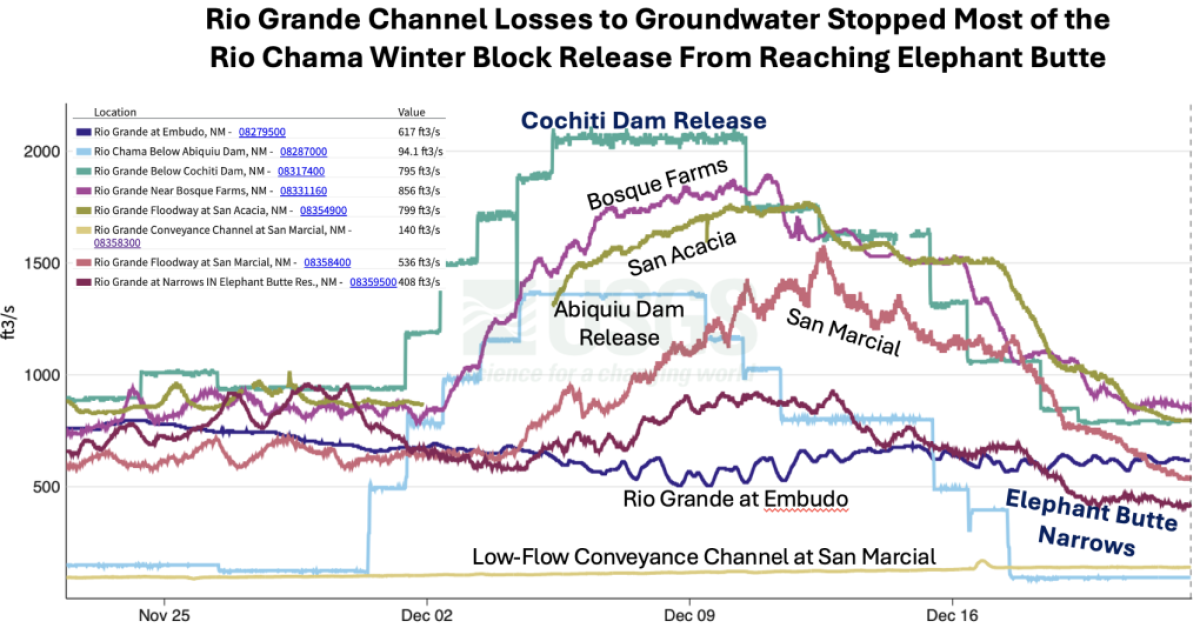
As the surface water of the Cochiti Dam block release moved downstream, increasing portions of the swollen river flow left the river channel. Driven by gravity, it seeped through the river's bed and banks to recharge the connected but depleted shallow aquifer storage space. The gaps between adjacent upstream and downstream gages illustrate these losses, accumulating reach by reach.


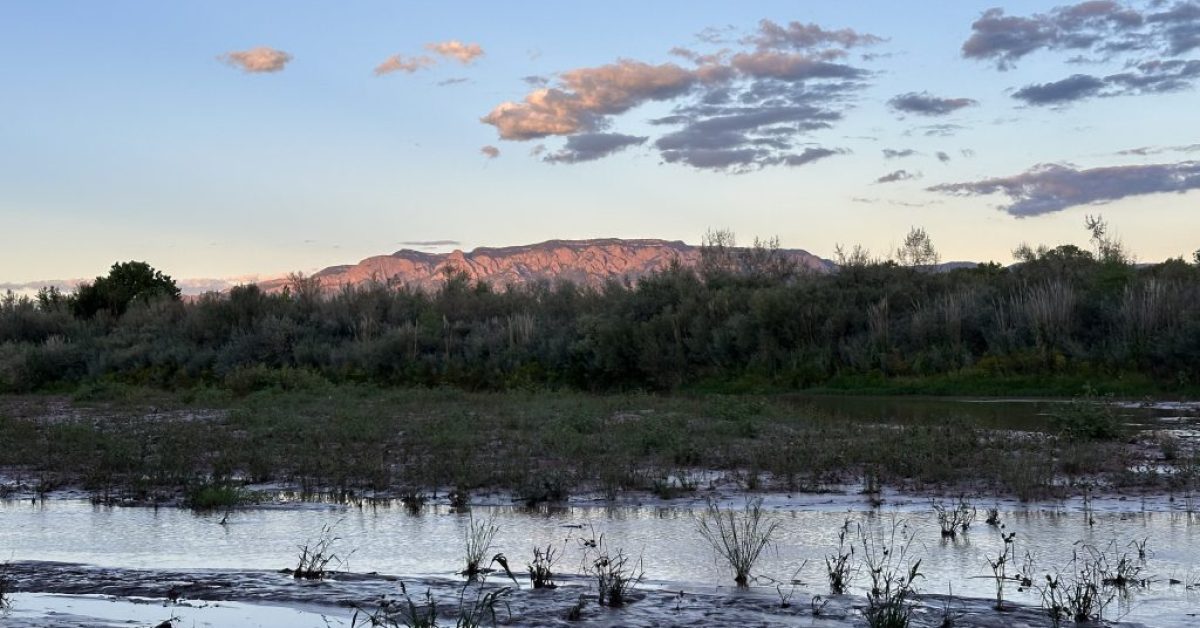
2025 was a difficult and revealing year for New Mexico’s water. From growing Rio Grande Compact risk to groundwater overuse, aridification, and legislative inaction, the year clarified why sustained, informed water advocacy is essential to protect the state’s future.
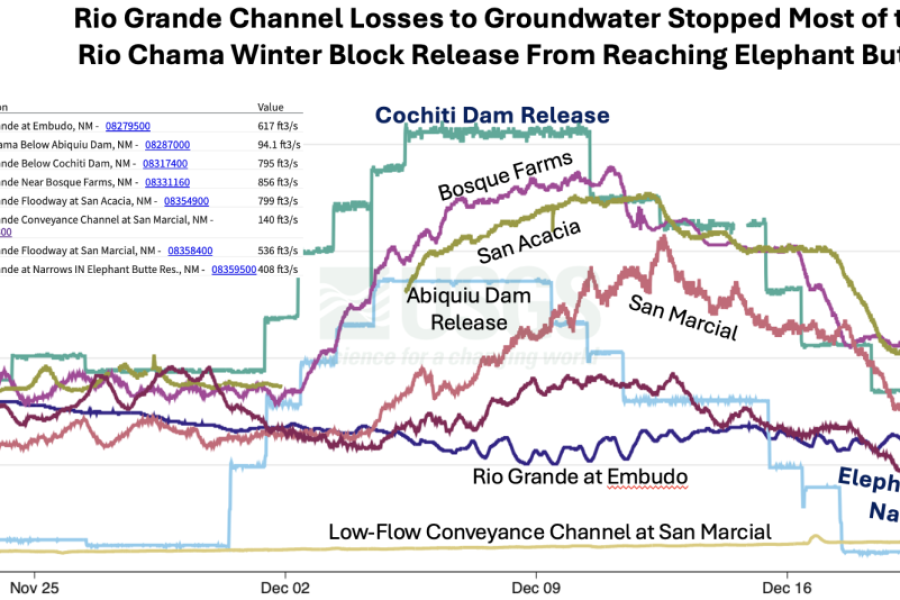
A winter block release of 26,000 acre-feet of stored Rio Chama water was intended to reduce New Mexico’s Rio Grande Compact underdelivery. Hydrographs show that much of the water never reached Elephant Butte Reservoir. The Middle Rio Grande absorbed it.

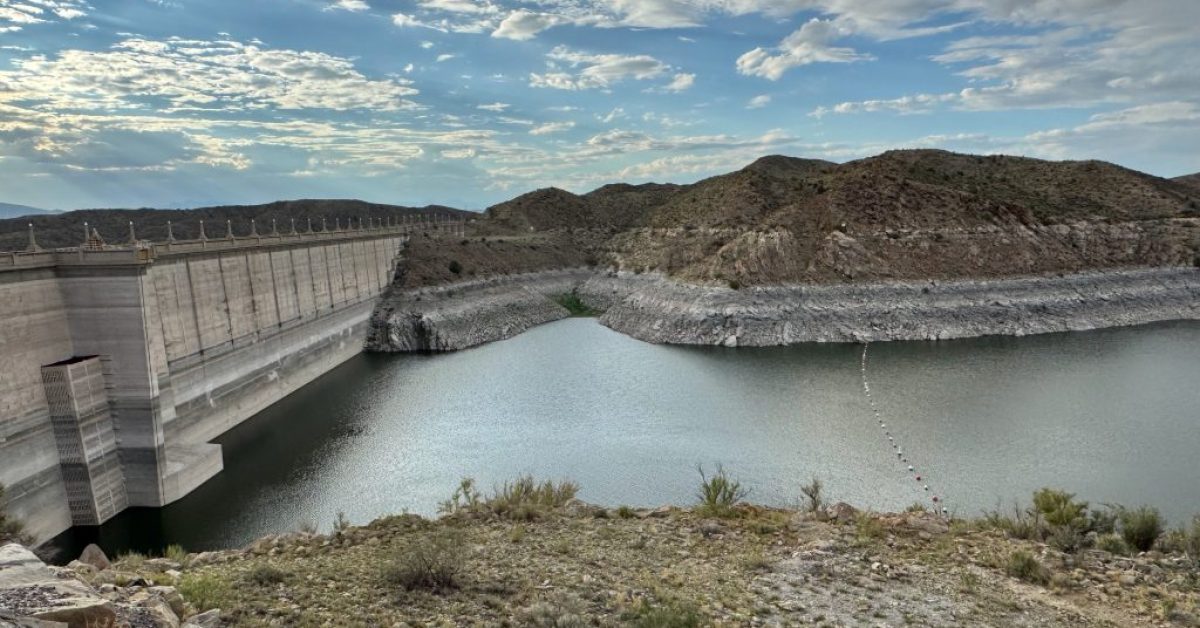
If the proposed settlement is adopted, its requirements will be implemented over the next decade. Implementation will require major state funding, water administration, and will substantially impact local water use in the Lower Rio Grande. Legislators, local officials, water managers, […]

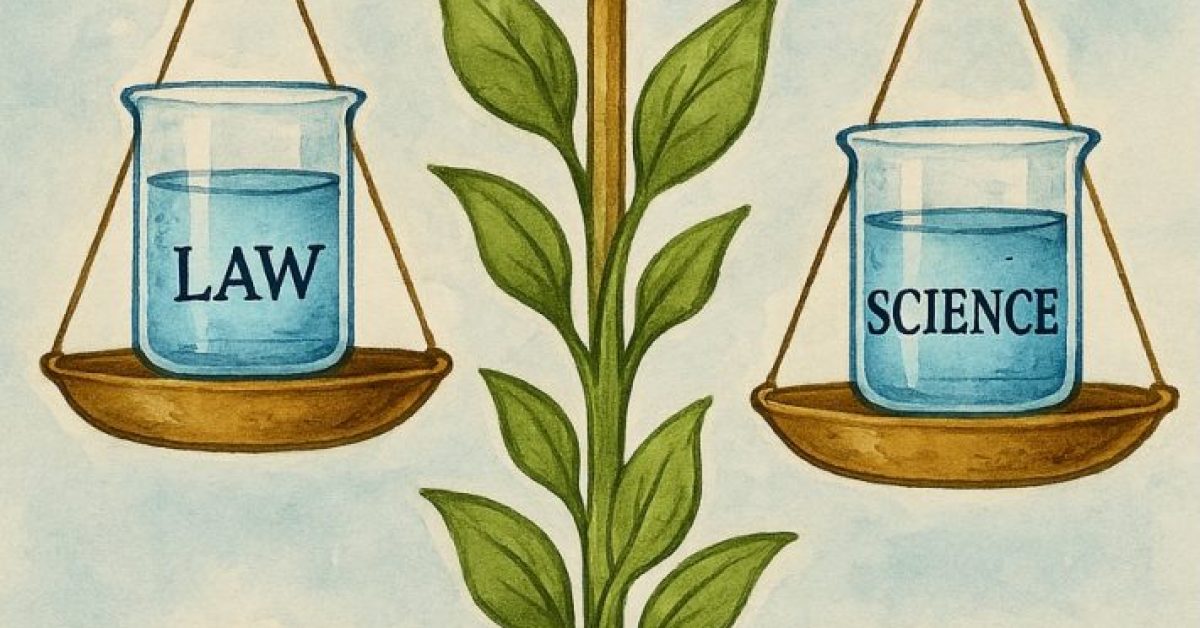
The typical 1% to 5% gap in absolute certainty that a relationship is real is routinely used by a small number of well-paid, industrial and politically sponsored “experts” to oppose strong scientific conclusions, such as tobacco smoking causes cancer, and […]

The settlement documents for the 2013 Lower Rio Grande interstate water lawsuit filed by Texas exceed 130 pages and present technical and legal complexity even for experienced water resources professionals. This NM Water Advocates summary is intended to explain, in […]

We estimate that only half (48%) of water directly consumed for anthropogenic purposes is supported by renewable replenishment; the other half (52%) has been unsustainable, meaning that it is causing depletion of reservoirs, aquifers, and river flows. The over-consumption of […]
Archive